Nuget packages can be tricky to update if you don't pay attention to your dependency chains.
Assembly versioning, Nuget, and complexity.
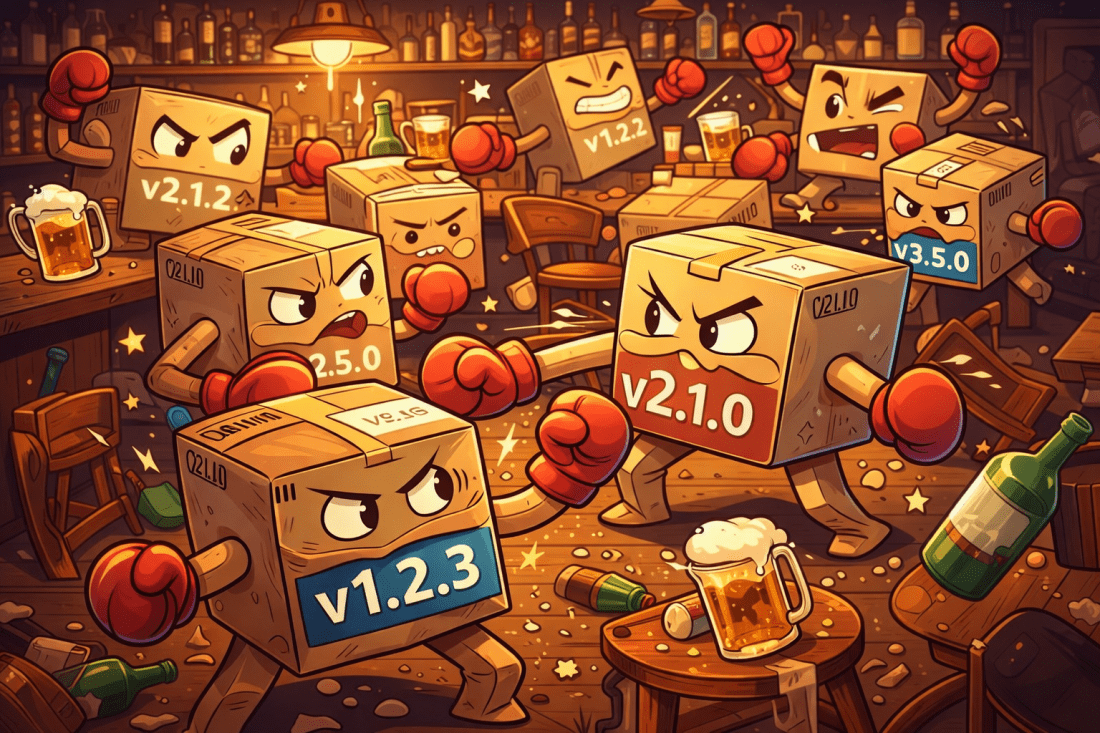
Nuget packages can be tricky to update if you don't pay attention to your dependency chains.

Effective software testing requires a layered approach rather than relying on a single best practice. Different categories of tests—unit, service-scoped integration, component integration, and end-to-end—each offer unique benefits. This strategy ensures robust coverage, addressing various types of problems and enhancing overall confidence in software quality.

Controversial opinion I haven't ever had any useful discussion about sagas with anyone at any company I've ever worked with. I've found the people who bring sagas up and make a song and dance about them, are generally the same people who tend to over-engineer solutions and have difficulty 'keeping it simple'. I'd like to … Continue reading Sagas and distributed transactions

I'm going to put my most controversial opinion right out there and wave it around, because I am sick of internal development teams blindly trusting code reviews performed on pull requests. Don't get me wrong. I think there are some very clever UI's provided by most providers (GitHub, Azure DevOps, Bitbucket, etc.) but no matter … Continue reading Code Reviews Without Pull Requests
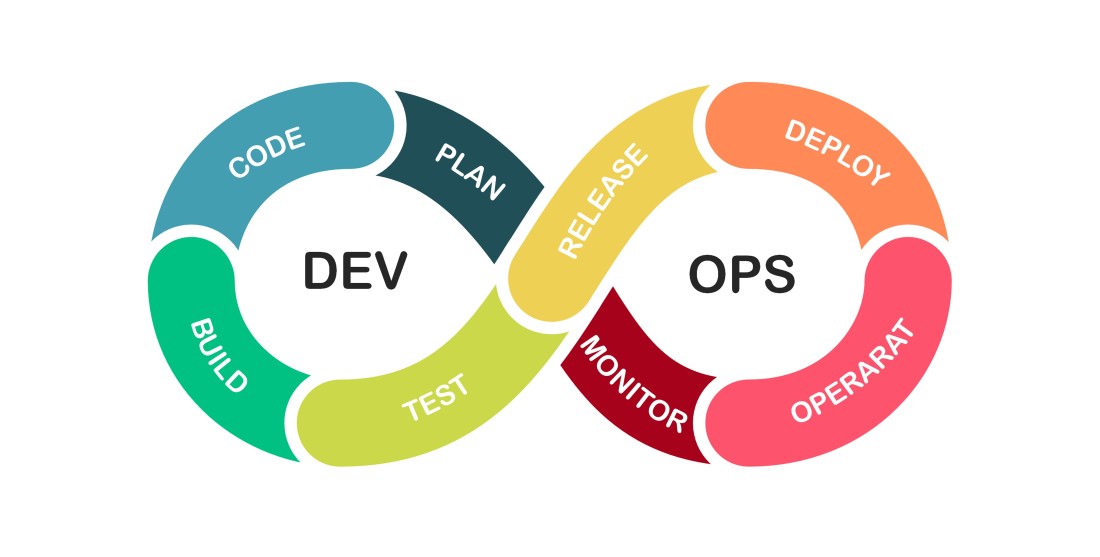
I get so frustrated when I see perfectly talented DevOps engineers building pipelines which drive big bang thinking, and calling it CI/CD. Can you all please stop? Continuous integration and continuous deployment are two very special principals which drive high quality, prevent bugs reaching production, and generally help things get delivered quicker. Automation alone does … Continue reading CI/CD

A simple but flexible package to turn your commandline project into either a Windows Service or a Linux systemd service.

Decoupled architecture is one of the biggest enablers of agility, speedy delivery, and high quality; yet many software designers have limited experience of what decoupled looks like. I hear people talk about different amounts of indirection and API layers, without understanding that these don't inherently decouple. I've been confronted with the insistence that because there's … Continue reading How to Design Decoupled Systems
This is a very simple DotNet Standard 2.0 package for receiving messages from AWS SQS in as simple a manner as I think is possible. Source code is on github https://github.com/RokitSalad/Helpful.Aws.Sqs.Receiver The package is available on nuget.org: https://www.nuget.org/packages/Helpful.Aws.Sqs.Receiver The package provides a few useful features which you don't get by default when using the AWS … Continue reading Helpful.Aws.Sqs.Receiver
"Don't overengineer this. We need to move as fast as we can."Too many business representatives The Agile Manifesto is built on 12 pillars, the 9th of which (at the time of writing) is: Continuous attention to technical excellence and good design enhances agility. I regard the Agile Manifesto as a thing of truth. It has … Continue reading Technical Excellence
I've been building microservices for several years. I've mostly used DotNet, DotNet Core, and Ruby on Rails to build them, and I've generally deployed them either into AWS EC2, or Azure Service Fabric. I've found most enterprises aren't ready for managing microservices in containers, either in the cloud or their own data centres. Keeping things … Continue reading Microservices with AWS Lambda
 Coding Daddy Dobbs